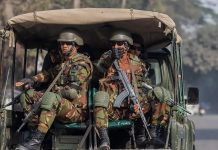

In a significant development, former Prime Minister Sheikh Hasina has been formally accused of orchestrating deadly crackdowns and sabotage during the July–August anti-government protests. The Chief Prosecutor of the International Crimes Tribunal revealed that sufficient evidence has been gathered to bring five specific charges against Hasina, including allegations of mass killings, incitement to violence, issuing illegal orders, and attempts to shift blame onto peaceful demonstrators.
According to the investigation report submitted to the prosecution on Monday, Sheikh Hasina is alleged to be the mastermind behind the brutal suppression of protestors that left over 1,400 people dead and more than 25,000 injured. The report further claims that security forces, aided by armed activists from the ruling party and its affiliated organizations, opened fire on crowds without warning.
The most explosive allegation centers around orders reportedly given by Sheikh Hasina to set fire to government buildings during the protests—orders that were allegedly meant to frame the demonstrators and justify intensified crackdowns. The investigation found credible proof that such incidents were carried out and later blamed on opposition supporters.
Chief Prosecutor Tazul Islam stated during a briefing, “The attacks on government infrastructure were not spontaneous acts of violence by protestors, but rather premeditated operations orchestrated at the highest levels of power.”
In what the prosecution calls “crimes against humanity,” Sheikh Hasina is also accused of instructing authorities to prevent injured protestors from receiving medical treatment. Reports allege that victims were denied access to hospitals and that post-mortem examinations were deliberately blocked. In some cases, bodies were burned in an apparent attempt to destroy evidence.
Alongside Sheikh Hasina, two of her close associates—former Home Minister Asaduzzaman Khan Kamal and former Inspector General of Police Chowdhury Abdullah Al-Mamun—face similar charges. They are accused of aiding and executing orders related to unlawful killings and human rights violations during the protest crackdown.
The report also confirms that Sheikh Hasina fled the country on August 5, 2024, amid a mass uprising led by students and citizens. Her sudden departure came just days after the protests escalated and international attention began to focus on alleged human rights abuses in Bangladesh.
Prosecutors are expected to formally frame charges and commence trials within this month. “We are not rushing to judgment,” said the Chief Prosecutor. “We are committed to ensuring justice that meets international standards.”
The investigation has established grounds for the following charges:
- Issuing direct orders for extrajudicial killings
- Incitement and provocation of violence against civilians
- Ordering arson attacks on government property
- Obstructing medical aid and destroying evidence
- Manipulating state forces and propaganda to criminalize protestors
The allegations have drawn intense reactions across political and civil society circles in Bangladesh. Human rights organizations are closely monitoring the tribunal proceedings, and calls for international oversight have grown louder.
The formal charges against Sheikh Hasina mark a historic and controversial moment in Bangladesh’s political and legal history. As the international community watches closely, the upcoming trial may serve as a test of the country’s commitment to justice and human rights. Prosecut